![A young girl with blonde curly hair, wearing a beige sun hat and green gardening gloves, is kneeling in a garden surrounded by vibrant red and pink flowers and green foliage. She is using a small green rake to tend to the flowering plants, while a woman with long brown hair, dressed in a light pink top and grey trousers, crouches beside her with a smile, supporting her as she works. The garden features a lush lawn with neatly maintained grass, bordered by flower beds and small shrubs. In the background, there is outdoor gardening equipment such as a green wheelbarrow and a rake, set on a well-kept grassy area, with a row of trees casting dappled shade over the scene, suggesting a peaceful garden in a residential area. The environment is bright and sunny, indicative of good weather, with natural light highlighting the garden elements, emphasizing a serene outdoor space suitable for gardening and outdoor activities overseen by Bills Garden, a local gardening service in the [POSTCODE] area near [TOWN].](/pub/_photos/gardening/f1377026048.jpg) Insurance and Safety at Bills Garden
Insurance and Safety at Bills Garden
Bills Garden (also referred to as Bill's Garden in informal communications) takes safety and insurance seriously. This Insurance and Safety statement outlines how the Bills Garden site protects visitors, staff and contractors through comprehensive public liability insurance, staff training, provision of personal protective equipment and an established risk assessment process. Our approach balances pragmatic horticultural practice with a robust duty of care: prevention, protection and preparedness.
Public Liability Insurance Coverage and Scope
Public liability for Bills Garden is maintained at levels appropriate to the scale of operations and the nature of activities. Key elements include documented policy limits, indemnity for third-party injury or property damage and cover for events and open days held on the premises. Coverage ensures that visitors, volunteers and external contractors can be compensated fairly and promptly in the unlikely event of an incident caused by Garden activities.
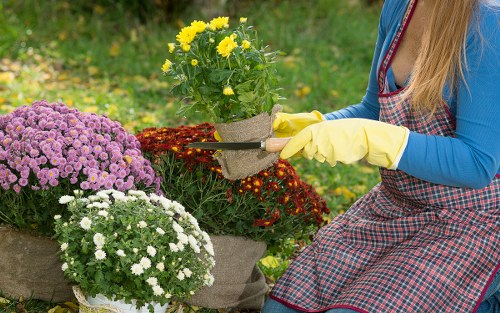 Our insurance policy is supported by clear operational procedures. These include prompt incident reporting, preserving evidence, and co-operating with insurers and investigators. The policy is reviewed annually and when new activities are introduced, for example when expanding planting demonstrations or hosting external suppliers. The team at Bill's Garden understands that insurance is one part of a wider safety framework: it complements active risk control and ongoing staff competence.
Staff Training and Competency at Bills' Garden
All staff and regular volunteers at Bills Garden receive structured training that covers safe horticultural practice, manual handling, operation of hand tools, ladder safety and working near public footpaths. Training is a mix of classroom briefings, on-the-job supervision and specialist contractor instruction where necessary. Training records are retained and used to plan refresher courses and to demonstrate compliance during reviews.
PPE Provision and Use
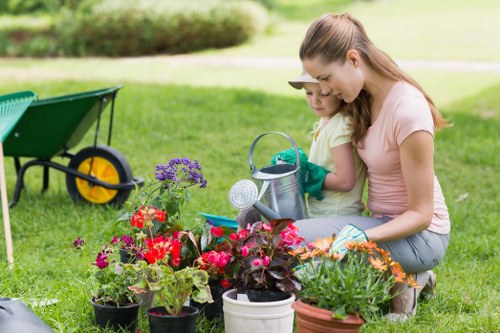 Personal protective equipment (PPE) is provided where risks cannot be adequately eliminated. Typical PPE at the Garden includes gloves, eye protection, high-visibility vests for work near site access points, suitable footwear and hearing protection for powered equipment. We enforce correct use through supervision and by including PPE checks in daily start-up routines. Consistent PPE use reduces minor injuries and limits exposure to hazards such as thorn punctures, chemical splashes and debris.
Managers at the Garden conduct toolbox talks and practical demonstrations to embed safe behaviour. New equipment or materials are introduced only after hazard assessment and demonstrable training. When external contractors are on site, they are required to present evidence of training and PPE conformity before work begins.
Risk Assessment Process for the Garden
Risk assessments at Bills Garden follow a structured cycle: identify hazards, evaluate risk, introduce controls, monitor effectiveness and record actions. Assessments are proportionate and document both routine activities (planting, pruning, compost handling) and occasional events (open days, deliveries). Dynamic assessments are performed when conditions change, such as wet surfaces after rain or the arrival of unfamiliar machinery.
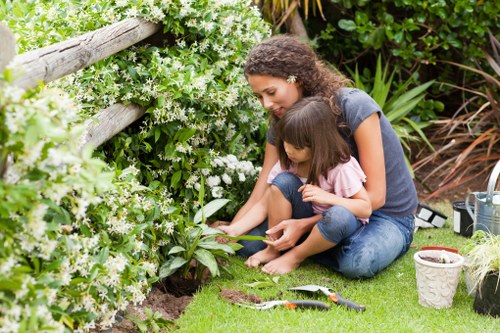 Typical risk controls implemented after assessment include site layout adjustments to separate visitors from work zones, scheduling noisy or dusty work outside public hours, clear signage and temporary barriers, and assigning competent supervisors for higher-risk tasks. Controls are applied in a hierarchy: elimination, substitution, engineering, administrative and PPE. This hierarchy ensures that reliance on equipment or behaviour is minimized where engineering fixes or work re-sequencing are feasible.
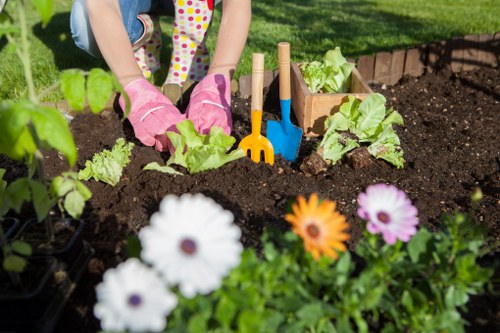 To support the process, Bills Garden maintains a register of assessments, a program of checks and a schedule for review. Audits and near-miss reporting are encouraged so that lessons learned are turned into improved practice. The Garden's safety culture emphasises that everyone???staff, volunteers and visitors???has a part to play. By combining robust public liability protection, targeted staff training, consistent PPE provision and a live risk assessment process, The Garden at Bill's presents a managed environment where horticultural activity can flourish with confidence.
Implementation and Continuous Improvement
Implementation is monitored through regular safety meetings, documented inspections and scheduled refresher sessions. Where incidents occur, a formal review is carried out and controls updated. Bills Garden keeps abreast of best practice in landscape and horticultural safety to ensure that policies remain current and effective.
In summary, Bill's Garden pursues a proactive safety strategy: comprehensive public liability cover to provide financial protection, rigorous staff training to build competence, reliable PPE to reduce exposure, and a systematic risk assessment process to prevent harm.
Commitment
Bills Garden will continue to invest in safety and insurance arrangements so that the site remains a welcoming, well-managed place for recreation, learning and conservation. Our commitment is to maintain clear records, act on identified hazards and support staff with the training and equipment they need to carry out their duties safely.