Beginners guide to seasonal pruning for healthy garden shrubs
If you've ever stood in the garden with secateurs in hand and thought, "Am I about to help this shrub... or ruin it?", you're in the right place. Seasonal pruning can feel a bit mysterious at first, but once you understand the rhythm of the year, it becomes one of the simplest ways to keep shrubs healthy, tidy, and full of life. This beginners guide to seasonal pruning for healthy garden shrubs breaks the job into plain English: what to prune, when to prune, how much to remove, and which mistakes are worth avoiding. The goal is not to turn you into a perfectionist. It's to help you prune confidently, with less guesswork and better results.
Truth be told, most shrubs don't need a dramatic haircut. They need the right cut at the right time. That timing matters more than people think.
Table of Contents
- Why seasonal pruning matters
- How seasonal pruning works
- Key benefits and practical advantages
- Who this is for and when it makes sense
- Step-by-step guidance
- Expert tips for better results
- Common mistakes to avoid
- Tools, resources and recommendations
- Law, compliance, standards, or best practice
- Options, methods, or comparison table
- Case study or real-world example
- Practical checklist
- Conclusion
- Frequently asked questions
Why Beginners guide to seasonal pruning for healthy garden shrubs Matters
Seasonal pruning is not just about making shrubs look neat. It helps shape growth, improve flowering, remove dead or crowded wood, and reduce the chance of disease spreading through tangled stems. For a beginner, the biggest value is confidence. Once you know the seasonal pattern, you stop pruning randomly and start making informed cuts.
In a typical UK garden, shrubs can grow quickly in spring and early summer, then turn leggy or heavy by late summer and autumn. Left alone for too long, they may block light, flop over paths, or flower poorly the following year. A light, well-timed prune keeps them balanced. It also means the plant can put energy into strong new growth rather than carrying damaged or awkward stems through the season.
There's another practical reason. A lot of gardeners only notice a shrub needs work when it has already got too big. By then, the job becomes harder and more stressful for the plant. Seasonal pruning spreads that work across the year in a way shrubs can actually handle. It's kinder, really.
Practical takeaway: the best pruning is usually the pruning you do before a shrub becomes a problem, not after.
How Beginners guide to seasonal pruning for healthy garden shrubs Works
Seasonal pruning works by matching the cut to the plant's growth cycle. Different shrubs behave differently, but most follow a familiar pattern: dormancy in colder months, strong growth in spring, flowering or fruiting at specific times, and gradual slowdown as the year cools. If you prune at the wrong moment, you can remove flower buds, trigger weak growth, or leave cuts exposed to frost.
The simple idea is this: prune when the shrub can recover most easily, and avoid pruning when it is vulnerable. That usually means:
- Late winter to early spring for many deciduous shrubs that flower on new growth.
- After flowering for spring-flowering shrubs that set buds on old wood.
- Summer for light shaping, deadheading, and controlling fast-growing plants.
- Autumn mainly for tidying, not major reshaping, because fresh cuts can be more exposed to cold damage.
That said, there is no one-size-fits-all rule. Hydrangeas, for example, can be pruned very differently depending on the type. Roses have their own logic too. If you've ever wondered why one neighbour chops a shrub in February while another waits until after bloom, that's usually why. They're both right, just for different plants.
Seasonal pruning also works best when you combine observation with restraint. Step back, look at the plant's shape, find dead or crossing stems, and remove only what improves structure. A few clean cuts often do more good than an aggressive trim.
Key Benefits and Practical Advantages
For beginners, the benefits of seasonal pruning are both visual and practical. Healthy shrubs tend to have better airflow, more balanced growth, and fewer congested branches. You'll usually notice the plant looks fresher, but the deeper value is in the structure underneath.
- Healthier growth: removing dead, diseased, or rubbing stems allows the plant to direct energy more efficiently.
- Better flowering: pruning at the correct time can encourage more buds and stronger blooms.
- Improved shape: shrubs stay compact, tidy, and proportionate to the garden.
- Reduced disease risk: better airflow helps leaves dry faster after rain.
- More light in the garden: useful if shrubs are shading smaller plants or a path.
- Longer plant life: regular maintenance reduces stress from overgrown or damaged wood.
There is also a small but real lifestyle benefit. A well-pruned shrub makes the whole garden feel looked after. You notice it on a damp morning when the border is breathing a little more freely, not just packed with green chaos. That sounds romantic, perhaps, but gardeners know the feeling.
For people who enjoy low-maintenance gardening, seasonal pruning is a clever investment. A bit of attention now can save a lot of corrective work later. And if you'd rather not do it yourself every year, many homeowners keep their wider garden care organised through regular garden maintenance, which is often the simplest way to keep shrubs on a sensible schedule.
Who This Is For and When It Makes Sense
This guide is for anyone who wants healthier shrubs without overcomplicating the process. If you're new to garden care, have inherited an overgrown border, or simply want to stop guessing, seasonal pruning is one of the most useful habits to learn.
It makes particular sense if you:
- have mixed shrubs in borders, front gardens, or along boundaries;
- want more flowers without replacing established plants;
- need to keep growth away from paths, windows, fences, or driveways;
- have just moved into a property and are learning what is already planted;
- prefer a tidy garden without heavy redesign work.
In London gardens especially, space is often tight. Shrubs can quickly crowd out light, lean into neighbouring gardens, or grow across small patios. In that setting, careful seasonal pruning becomes less of a hobby and more of a practical necessity. The same goes for any garden where plants are close together and airflow is limited.
If you're dealing with a larger or neglected garden, it may help to pair pruning with broader tidy-up work such as garden clearance. That way, you're not trying to prune around piles of old cuttings, weeds, and clutter. Let's face it, pruning is much easier when you can actually see what you're doing.
Step-by-Step Guidance
Here's a straightforward way to approach seasonal pruning without making it harder than it needs to be.
1. Identify the shrub first
Before cutting anything, work out what you're dealing with. Some shrubs flower on old wood, others on new growth, and some can handle a stronger trim than others. If you're unsure, take a cautious approach and remove only dead, damaged, or crossing stems.
2. Choose the right season
The season should guide the size of the prune. Winter and early spring are often better for structural pruning. After flowering is usually best for spring bloomers. Summer is ideal for light shaping. Avoid heavy pruning right before frost unless the plant is very hardy and established.
3. Start with the three Ds
Look for the three Ds: dead, damaged, and diseased wood. Cut these out first. This is the easiest part for beginners because the target is obvious. A dead stem is dry and brittle. A diseased one may look discoloured or weak. Damaged stems often rub, split, or bend awkwardly.
4. Remove crossing and inward-growing branches
Branches that cross or grow into the centre can cause congestion and rubbing. Removing them improves airflow and lets light into the middle of the plant. That one step alone often makes a shrub look much healthier.
5. Shape gradually
Take a little at a time. Step back often. You're aiming to refine the outline, not sculpt a hedge from scratch. If one side is bulkier, trim it lightly and check the balance before continuing.
6. Cut just above a healthy bud or branch junction
Make clean cuts just above a bud facing the direction you want the new growth to take. If you cut too far above the bud, you leave a stub that dies back. Too close, and you can damage the bud itself. Tiny detail, big difference.
7. Clear away debris
Remove cuttings from around the shrub so you can inspect your work and reduce the chance of pests or disease lingering in the border. If the job has produced a surprising amount of waste, it may be worth using a local gardening company or gardening services for help with the bigger tidy-up.
8. Water and monitor after pruning
After pruning, give the plant a little time. Water if the soil is dry, then watch how it responds over the next few weeks. Healthy shrubs usually put on fresh growth fairly steadily. If you see dieback, it may mean you cut too hard or chose a poor timing window.
Expert Tips for Better Results
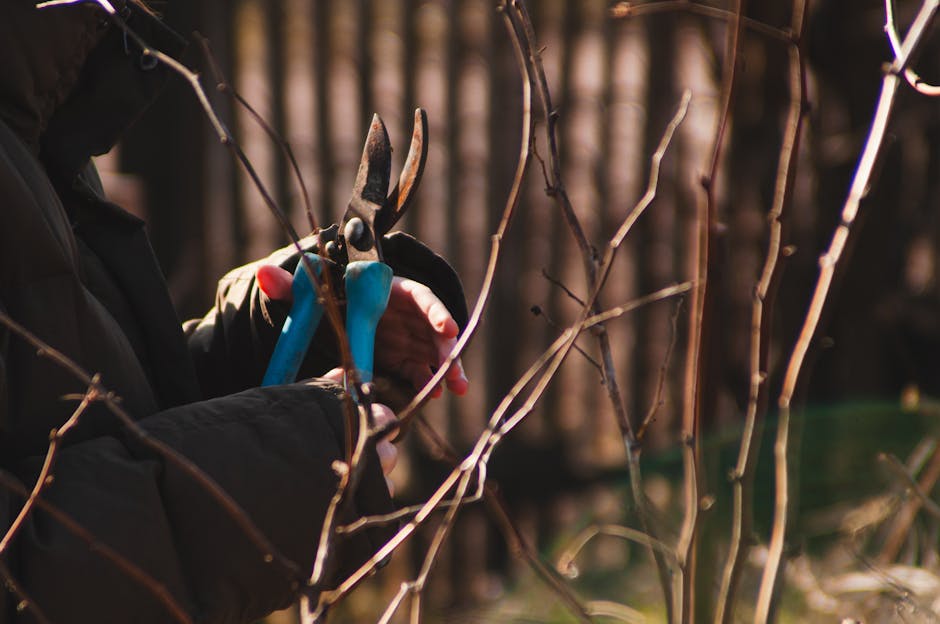
Experienced gardeners tend to use the same quiet rule over and over: prune with a reason. Not just because the secateurs are out.
Here are a few practical tips that make a noticeable difference:
- Prune in dry weather if possible. Cuts dry better and are less likely to stay wet and vulnerable.
- Keep tools sharp. A clean cut heals more neatly than a crushed one.
- Work with the natural shape. Most shrubs look better when you enhance their habit rather than force a new one.
- Use your hands as a guide. Sometimes the easiest way to decide what to remove is to hold the branch you're thinking about and ask, "Does this actually help the plant?"
- Do less on mature shrubs. Older shrubs often respond better to gradual renewal pruning than hard cutting in one season.
- Save heavy pruning for the right plants. Not every shrub enjoys being cut back hard. Some tolerate it well, others sulk for a year or two. Fair enough.
One thing beginners often miss is the value of pruning in stages. If a shrub is badly overgrown, you don't always have to fix everything in one afternoon. A staged approach is often safer and less stressful for the plant. You can reduce height one season, then improve shape the next. Slow and steady wins, boring as that sounds.
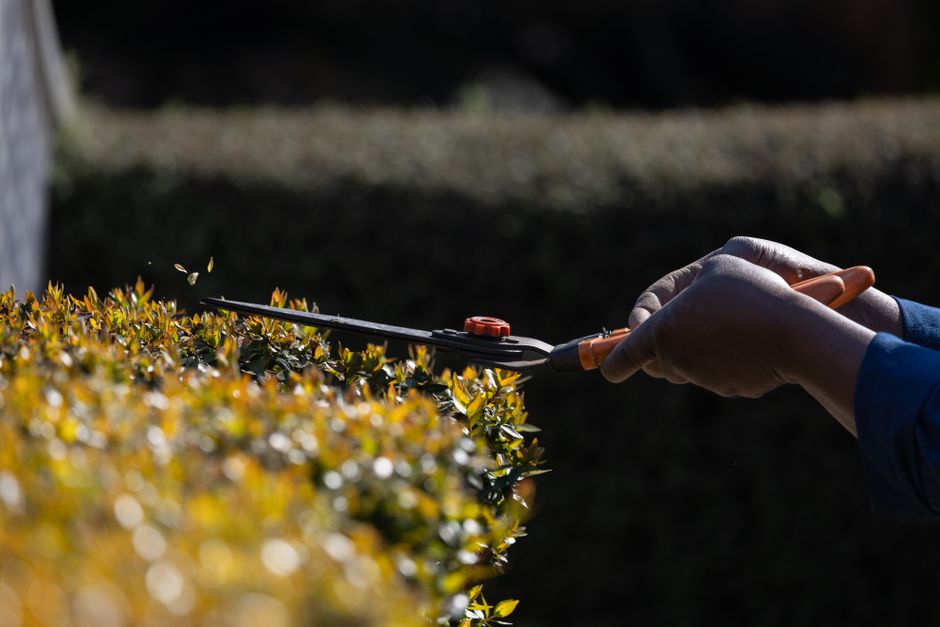
For gardens that need more overall structure, seasonal pruning works well alongside trimming boundaries and shaping larger planting areas. That is where services like hedge trimming can support the wider look of the garden without asking shrubs to do all the visual work.
Common Mistakes to Avoid
Most pruning problems come from good intentions and a bit too much enthusiasm. Easy to do. The good news is that most of them are avoidable once you know what to watch for.
- Pruning at the wrong season: this is the big one. You can remove buds or expose tender growth to cold damage.
- Taking off too much at once: over-pruning can stress the shrub and leave it looking bare or lopsided.
- Using blunt tools: torn stems heal badly and invite trouble.
- Ignoring the plant's flowering habit: pruning spring-flowering shrubs too early often means fewer blooms.
- Leaving stubs: they die back and spoil the shape.
- Making rushed cuts from one side only: you can create an odd, uneven shape before you notice it.
- Skipping clean-up: dead leaves and cuttings left underneath can encourage pests and fungal issues.
Another subtle mistake is trying to force symmetry too quickly. In real gardens, shrubs are rarely perfect twins. A little natural unevenness is fine. Honestly, it can look more relaxed and more expensive somehow, even though it's just common sense.
If a shrub is struggling already, don't assume more pruning will fix it. Sometimes the issue is poor soil, root competition, shade, or old age. Pruning is useful, but it's not a miracle trick. It's one tool in the kit.
Tools, Resources and Recommendations
You do not need a van full of equipment to prune shrubs well. A small, well-kept set of tools is usually enough for a beginner.
| Tool | Best use | Beginner note |
|---|---|---|
| Hand secateurs | Small stems and precise cuts | Best starting tool for most shrubs |
| Loppers | Thicker branches that secateurs cannot handle | Use for slightly larger woody stems |
| Pruning saw | Heavier branches on mature shrubs | Useful when a cut is too thick for loppers |
| Gloves | Protection from thorns, sap, and rough stems | Worth having even for "easy" shrubs |
| Disinfectant or cleaning wipe | Cleaning blades between plants | Helpful if you suspect disease |
There are a few practical recommendations worth remembering:
- Buy tools that feel comfortable in your hand. If they pinch or slip, you will avoid using them.
- Clean and dry blades after use, especially in wet weather.
- Store tools somewhere dry. Rust is annoyingly efficient.
- Choose sturdy gloves for thorny shrubs, particularly roses and berberis.
If you'd rather not build a full toolkit, a professional visit from a local gardener can be a sensible option, especially if you want a seasonal maintenance plan rather than a one-off rescue job. And if you're looking beyond pruning into broader garden improvements, you may also want to look at garden services that cover clearance, tidying, planting, and ongoing care.
Law, Compliance, Standards, or Best Practice
For most home gardens, seasonal pruning is a practical gardening task rather than a regulated one. Still, there are some common best-practice points worth keeping in mind, especially in the UK.
If your shrubs are near a boundary, fence, pavement, or shared access area, avoid letting cuttings block walkways or create a nuisance for neighbours. If branches overhang or interfere with access, it is better to manage them carefully and keep the work tidy. That's as much about being a good neighbour as anything else.
For larger gardens, commercial premises, or managed outdoor spaces, it is sensible to follow basic health and safety practice: use the right tools, wear appropriate PPE, check for hidden hazards, and avoid working at height unless properly equipped. If branches are high enough to require ladders or specialist handling, this is usually the point where a trained gardener or tree professional becomes the safer choice.
Also, if a shrub has become more like a small tree, or if the work involves major wood removal, check whether a tree or woody plant specialist is more appropriate. In some cases, a tree surgeon or tree cutting service is the more suitable route, particularly where size, access, or safety is an issue.
Best practice is simple: prune responsibly, dispose of waste properly, and do not force a job beyond your skill level. That's not overcautious. It's just sensible gardening.
Options, Methods, or Comparison Table
There are a few different approaches to shrub pruning, and the right one depends on the plant, the season, and how much work the shrub needs.
| Method | What it involves | Best for | Watch out for |
|---|---|---|---|
| Light seasonal shaping | Small trims to keep form tidy | Established shrubs in good health | Can be too timid for heavily overgrown plants |
| Deadheading and tidying | Removing spent flowers and weak shoots | Flowering shrubs after bloom | Not enough for structural issues |
| Thinning out | Removing selected stems from the base or centre | Congested shrubs needing airflow | Can look sparse if overdone |
| Renewal pruning | Gradually removing old stems over time | Mature shrubs with tired growth | Needs patience and correct timing |
| Hard pruning | Cutting back significantly | Only certain shrubs that tolerate it | Risky if used on the wrong plant |
For beginners, light shaping and thinning are usually the safest starting points. Renewal pruning is useful when a shrub has become woody or tired, but it works best over more than one season. Hard pruning sounds dramatic and effective, and sometimes it is, but it should be used carefully. Not every shrub enjoys a big reset.
Case Study or Real-World Example
Imagine a small London back garden with three established shrubs along a fence: one spring-flowering, one evergreen, and one fast-growing deciduous shrub that has gone a bit wild by midsummer. The owner wants more light, a tidier border, and less crowding near the path.
A sensible seasonal pruning approach might look like this:
- Spring-flowering shrub: wait until after it blooms, then trim lightly to shape and remove spent stems.
- Evergreen shrub: carry out a modest summer tidy, just enough to improve shape without exposing bare inner wood.
- Fast-growing shrub: thin it in late winter or early spring, removing weak, crossing, and congested stems, then make a second light trim later if needed.
The result is not a dramatic makeover. And that's the point. Within a few weeks, the border looks more open. The path feels less cramped. Light reaches the lower plants. The shrubs are still healthy and recognisable, just better behaved. A neighbour might not notice exactly what changed, but they'll notice the garden looks calmer. That usually means you've done it right.
In practice, that kind of job often fits neatly into a wider maintenance visit, especially if the garden also needs cutting back around lawns, edging, or access points. If you were tackling a bigger patch of overgrowth, it could sit alongside broader help from gardeners or a larger tidy-up project.
Practical Checklist
Use this quick checklist before you start pruning. It keeps the job focused and reduces guesswork.
- Identify the shrub type or at least whether it flowers on old wood or new growth.
- Check the season and choose the right timing window.
- Inspect for dead, damaged, or diseased stems first.
- Prepare clean, sharp tools.
- Wear gloves and suitable clothing.
- Start with small cuts, not big ones.
- Step back regularly and check shape and balance.
- Remove cuttings as you go.
- Do not prune more than the shrub can comfortably recover from.
- Water or monitor the plant afterwards if conditions are dry.
Quick self-check: if the shrub still looks natural, open, and healthy after pruning, you probably got the balance right.
Conclusion
Seasonal pruning is one of those garden skills that looks intimidating until it suddenly isn't. Once you understand the timing, the plant's growth pattern, and the difference between a light tidy and a hard cut, you can keep shrubs healthier with far less stress. The secret is not more force. It's better judgement.
For beginners, the best approach is simple: prune a little, observe a lot, and respect the season. Start with dead or crowded wood, work slowly, and let the shrub's natural shape guide you. Over time, you'll notice that pruning becomes less about "fixing" plants and more about helping them stay strong, well-shaped, and genuinely enjoyable to look at.
If you'd like help keeping shrubs, borders, and the rest of the garden in good shape through the year, professional support can make life a lot easier.
Get a free quote today and see how much you can save.
And if you are the sort of person who likes a garden that quietly looks after itself, seasonal pruning is one of the best habits you can build. Small effort, steady reward. That's a good deal in any season.
Frequently Asked Questions
When is the best time to prune garden shrubs in the UK?
The best time depends on the shrub. Many deciduous shrubs are pruned in late winter or early spring, while spring-flowering shrubs are usually pruned after they finish blooming. Summer is often used for light shaping and tidying.
How much of a shrub can I cut off at once?
As a beginner, it's usually safest to remove only a small amount at a time unless the plant clearly tolerates harder pruning. A light-to-moderate prune is less risky than taking off too much and shocking the plant.
What shrubs should not be pruned in autumn?
Many shrubs should avoid heavy autumn pruning because fresh cuts can be vulnerable to frost and cold damage. Autumn is better for light tidying than major reshaping.
Can pruning help a shrub flower more?
Yes, if you prune at the correct time for that plant. Removing old or crowded growth can encourage stronger new shoots, which often leads to better flowering. Timing matters more than force.
What is the difference between pruning and trimming?
Pruning usually means selective cutting to improve health, structure, or flowering. Trimming is often more about maintaining a shape or size. In practice, gardeners use the terms loosely, but the intention is different.
Should I fertilise shrubs after pruning?
Sometimes, but not always. A healthy shrub in decent soil may not need extra feeding straight away. If the plant is tired or the soil is poor, a balanced feed or compost may help, but avoid overdoing it.
How do I know if a branch is dead?
Dead branches are usually dry, brittle, and lack green tissue when lightly scratched. They may snap rather than bend. If in doubt, check carefully and make small test cuts rather than removing large sections immediately.
Is it okay to prune evergreen shrubs hard?
Some evergreen shrubs tolerate harder pruning, but many do not. The safest approach is to prune gradually and follow the plant's natural response. If you're unsure, stick to light shaping and thinning.
What should I do with the cuttings?
Collect them as you go and dispose of them responsibly. Smaller, healthy cuttings may be suitable for composting if they are not diseased, but woody material often needs chipping or green waste disposal.
Can a beginner damage a shrub by pruning it wrong?
Yes, but most mistakes are recoverable if you catch them early. Over-pruning, poor timing, or blunt tools can stress a shrub, yet many plants bounce back with time and good aftercare.
Do I need professional help for large shrubs?
If the shrub is tall, overgrown, awkwardly placed, or close to boundaries and access routes, professional help is often worth it. Large cuts and awkward reach are where mistakes and safety issues tend to happen.
How often should shrubs be pruned?
That depends on the species and how fast it grows. Some shrubs need an annual prune, while others only need light shaping every so often. A quick seasonal check is usually better than waiting years between cuts.